The first thing Grace told me was that she had stopped buying furniture. Not because she could not afford it, but because furniture is a promise to stay, and she was not yet allowed to make that promise. Eleven years later, her flat is still full of folding chairs.
Anthropology has a long vocabulary for movement — migration, diaspora, displacement, transit. It has fewer words for the long middle: the years spent inside a country that has not yet decided whether you exist. The families I have worked with call it simply the waiting.
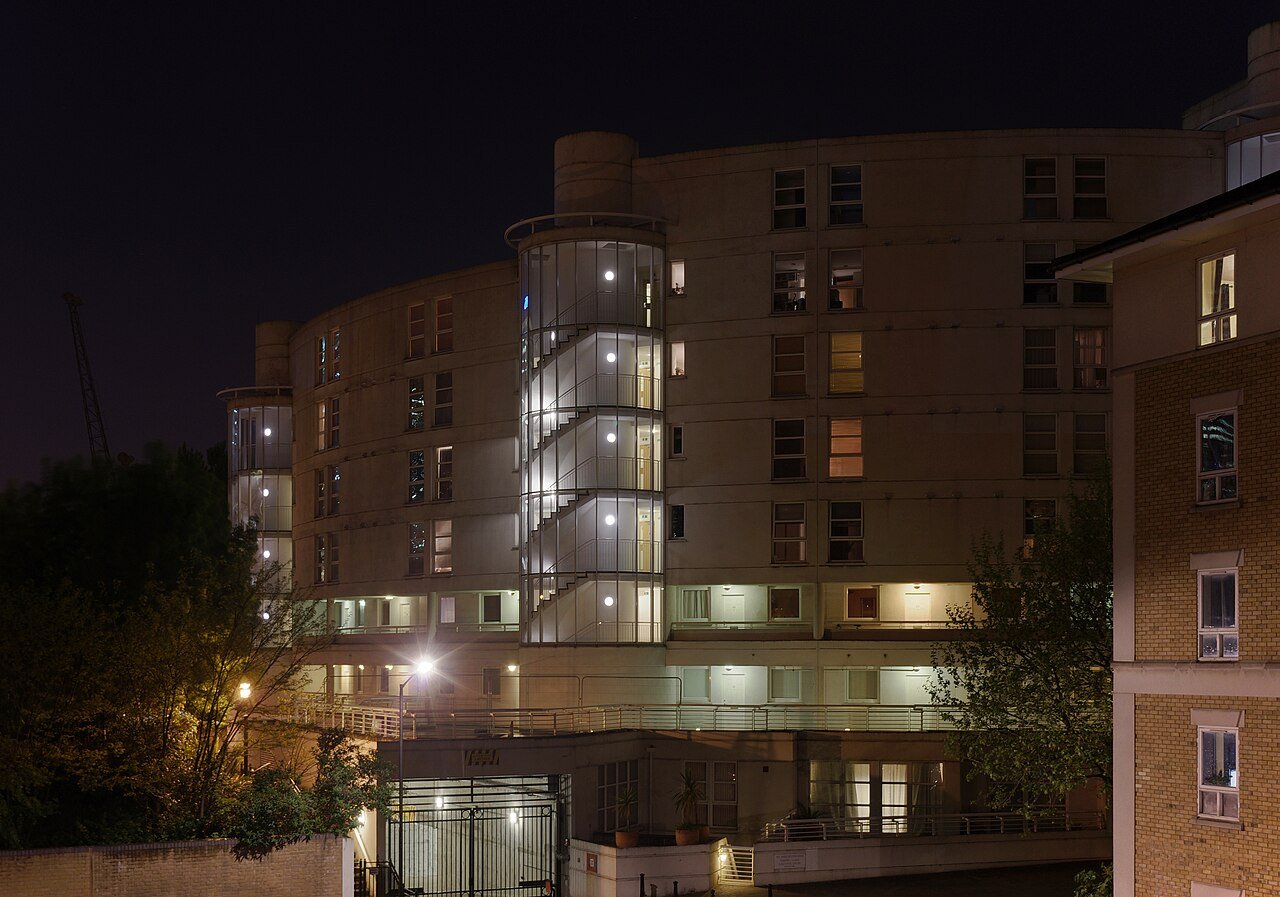
A life on hold is still a life
It is tempting to describe the waiting as an absence: no right to work, no right to plan, no right to travel. But the waiting is full. It has its own economy of favours and cash jobs, its own calendar of appointments and renewals, its own rituals of hope — the letter that might arrive on a Tuesday, the lawyer who might return a call.
Furniture is a promise to stay. She was not yet allowed to make that promise.
Recognition, in this sense, is not only legal. It is a thousand small acts: the GP receptionist who asks the right questions, the school that lets a child join the trip abroad, the neighbour who learns how to say your name. Each act moves the border a little.

Grace got her papers last spring. The first thing she bought was a sofa. She sent me a photo of it with no caption. None was needed.